by Sharon Richens - Altius Group Wellbeing Specialist
Dealing with constant change can be hard. Since the outbreak of COVID-19, we find ourselves in a world where change has become a regular part of our lives. For some Australians, this has meant adapting to a range of challenges including working from home, social distancing, wearing face masks, and adhering to rules/regulations around attendance at social events.
The ever-changing landscape of the COVID-19 pandemic has resulted in many people experiencing heightened levels of anxiety, increased depression, and concern that this state of constant change has become our new normal.
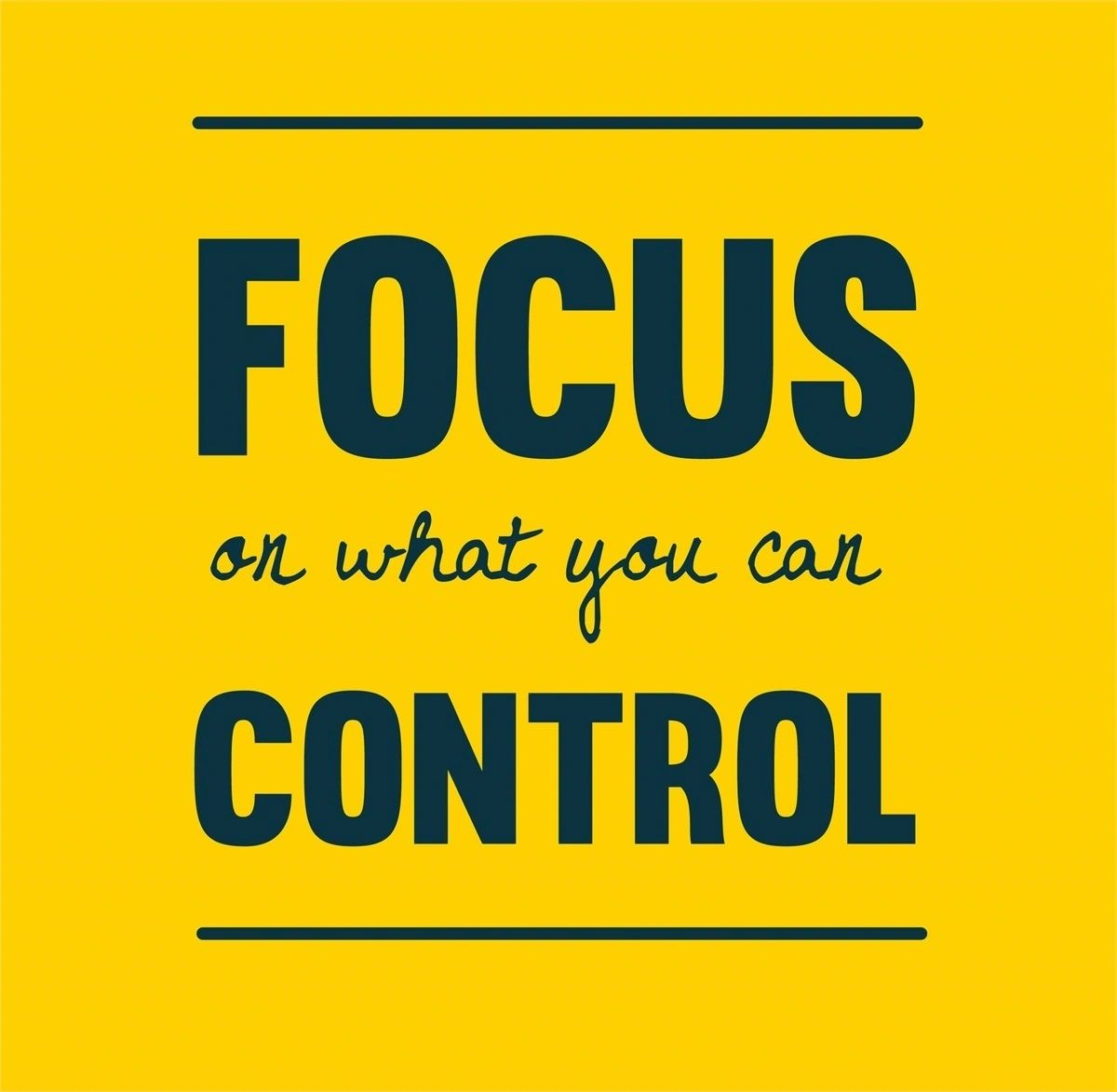
However, there are strategies that you can use to help cope with change. They aim to help you deal with uncertainty; by focusing on the aspects of life you can control. These strategies will help boost your resilience through self-care and engaging in activities that bring calm and joy to your life.
Focus On What You Can Control
Uncertainty causes anxiety and stress and when it comes to COVID-19 we don’t know what the future holds.
- Look at your working options. Do you have a choice for when and where you work or how you spend your day?
- Make a conscious decision about your media exposure. We all have a responsibility to be informed, but recognising when you are feeling vulnerable or overwhelmed and limiting your exposure to the news at these times is helpful.
Manage Stress With Healthy Choices
When we are feeling the pressure it is tempting to reach for short-term solutions to make us feel better. Overeating, drinking, and hibernating at home are just a few examples of coping strategies that can become unhealthy. Though they work in the short term they are not sustainable, and we end up feeling worse in the long run.
Try to counter the stress by looking after yourself with:
- Proper Nutrition - Eat whole grains, fresh fruit/veggies & low-fat proteins.
- Quality Sleep - Try for more than 7 hours per night.
- Regular Exercise - Getting in daily exercise can help with anxiety and depression. In particular, an exercise that elevates your heart rate for shorts bursts is helpful for managing stress. For example – going for a 20-minute walk before or after work and including a flight of stairs or a few hills gives you an extra benefit.
A healthy body is the fastest way to a healthy mind.
Prioritise Your Own Self Care
Make sure you invest time in yourself. Self-care is not selfish. Consider what activities bring you joy and ensure you include something every day in your life that “fills your tank”.
Why not try:
- Reading a good book.
- Speaking to a friend or family member that makes you laugh.
- Gardening.
- Walking your dog.
- Exercising with a neighbour.
Seek Support
If you feel your anxiety and stress levels are not improving or getting worse, and you are feeling overwhelmed, seek advice from a psychologist or your GP.
Psychologists are highly trained and qualified professionals skilled in providing effective interventions for a range of mental health concerns, including stress, depression, and anxiety. You may also be eligible to receive psychology services via telehealth, eliminating the need to travel to see a psychologist.
A note from Steven
If you would like to speak more about this please get in touch with me and I can introduce you to some very good people, so call me on 0417097642 or contact me via my Contact Me page.
The author Sharon Richens is a Wellbeing specialist at Altius Group and works with small, medium, and large organisations to assist employees with wellbeing and habit change.